Navy Tycoon Map and Capture Points Guide
Learn Point C tundra routes, how holding points pays, and how map control feeds volcano and fleet fights.
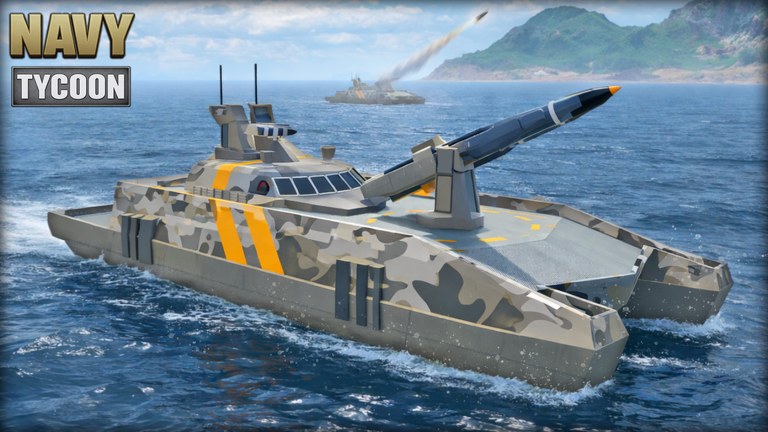
Capture points are how Mega Studios’ Navy Tycoon turns a pretty harbor into a contested war map. On Roblox place 111063824758310, teams of five fight inside ~30-player servers for water, shore, and island control while income pads keep printing cash. Map control is not sightseeing: held points feed progression, deny enemy staging water, and decide whether your squad arrives early or late to the volcano that fires about every 30 minutes for ELITE, LEGACY, or IRONCLAD chests.
This guide explains how capture points work, what changed when Point C became tundra (map initiative 2 of 5), how to approach and hold ground, and how point play connects to volcano island and fleet roles. Pair it with Volcano Event Guide, Fleet Building, How to Win Battles, and patch notes on Updates.
Why points matter more than random kills
A kill feels good; a held point keeps paying. Points give your team forward water, safer loot-bag and listening-pod routes, and staging space for landing craft before volcano windows. Enemy-held points force long approaches that get you spotted, focus-fired, and sent back to harbor. On a 30-player server, the team that owns two points and arrives first to the volcano usually beats the team with higher personal K/D and zero map tags.
Treat points like temporary bases. Rotate a light screen through them between fights, repair droppers at home, then recontest when the enemy leaves. Weekend events with 1.5X cash and 2X clan points amplify every second of hold time—plan captures before the banner, not after you notice the multiplier.
Point C tundra redesign (initiative 2/5)
Point C is the headline geography change in Mega Studios’ multi-step map initiative (2 of 5). The tundra presentation alters sightlines, cover, and approach vectors compared with warmer harbor biomes. Open ice and cold shoreline punish slow capital parades that worked on older layouts. Fast screen ships, aircraft, and carefully timed ground or landing craft matter more when you cannot hide a battleship behind the same old rock forever.
What players should relearn
- Scout first. Spend one quiet minute walking or flying Point C after you load a patched server. Muscle memory from harbor-only weeks will send you into empty water or enemy crossfire.
- Retune spawn-to-objective timing. Tundra approaches can be longer or more exposed. Teams of five that leave together still beat five solo trickle entries.
- Redraw farm loops. Listening pods and loot bags near Point C may have moved with the redesign. Update the circuits described on Cash Farm.
- Expect featured fights. During initiative weeks, clans schedule Point C contests under weekend multipliers. Call roles early using the Players Hub.
Prep checklist for Point C nights
- Read the in-game patch popup once after the drop.
- Confirm active codes (DRONES, INDEPENDENCE) on Codes so spins cushion losses.
- Bring at least one fast scout and one real damage seat—not five vanity capitals.
- Decide whether tonight’s priority is Point C pressure, volcano attendance, or both with a split plan.
- After the session, note which approach lane actually worked and share it with the clan.
Approach routes that survive contact
Every point has a fast lane, a safe lane, and a bait lane. Fast lanes win uncontested captures. Safe lanes keep a capital alive when the sky is hostile. Bait lanes look short on the map but funnel you into torpedoes or shore guns.
Leave harbor as a package. One scout ahead, one air overwatch, capitals and landing tools in the middle, a trailer watching for flankers. If the scout dies instantly, abort the greed route and take the longer safe lane together. Trickle feeding is the most common way a stronger roster loses Point C.
Use air for the first look. Aircraft spot enemy screens without committing your carrier. If fighters report stacked AA or a screened carrier already on station, switch to a hold-and-harass plan instead of a heroic beach landing.
Stage landing craft nearby, not on the point. Park just outside contested water so deaths still respawn close. Carriers that sit too far convert every wipe into a long walk; carriers that sit too close eat free focus fire. Fleet Building covers that logistics balance.
Holding income while you fight for ground
Map play fails when the harbor dies. Assign one builder-minded player to keep pads, oil, and droppers alive while the other four pressure Point C or side tags. Offline cash only helps if the board exists—see Income Buildings for purchase priority.
Rules of thumb:
- Buy unfinished income buttons before a long point siege.
- Do not empty the wallet on a prestige hull mid-contest if three pads remain unbought.
- After a wipe, rebuy role tools and restore dropper buffer before revenge tilting.
- During 1.5X cash weekends, every held minute near pads and points is worth more—bias toward sustainable holds over highlight reels.
Held points also protect farm routes. A friendly Point C means safer pod circuits; an enemy Point C means you farm closer to home until you can retake with a full five.
Relation to volcano island
The volcano is a timed objective (~30 minutes), not a permanent capture point, but map control decides who arrives ready. Owning intermediate water and Point C-style tags lets landing craft, aircraft, and carriers stage early. Losing the map means you show up late in the wrong vehicles and donate the chest.
When the volcano timer is inside three minutes:
- Stop optional Point C vanity fights unless holding that ground directly shortens the volcano approach.
- Spawn landing craft, air, and carrier tools as described in Volcano Event Guide.
- Travel as one wave—focus fire rules from How to Win Battles still apply on the island.
- After the chest resolves, return to point rotation and pad repairs.
Boss nights featuring dreadnought HMS Brennus add another layer. Do not schedule Brennus, Point C, and volcano as three simultaneous ego projects unless the clan can split competent elements. Read HMS Brennus and Updates before stacking timers.
Team roles on points
| Role | Job on capture points |
|---|---|
| Scout / screen | Arrive first, spot AA and capitals, peel raids off the hold |
| Capital | Anchor water once the point is soft; refuse bait chases |
| Air | Deny bombers, mark targets, cover landing craft |
| Landing / shore | Convert water control into actual capture progress |
| Logistics | Carrier or utility that keeps respawns forward |
Name seats before leaving harbor. Five battleships with no scout still lose Point C to a balanced public stack. Support tools from the drones update—drone launcher boats—can harass holders and force turns; see Drones Update for meta notes without treating drones as a full substitute for screens.
Common map mistakes
- Contesting Point C alone while four teammates farm harbor cosmetics
- Ignoring the volcano clock because “we almost have the point”
- Parking the only carrier on the capture icon itself
- Never redrawing routes after the tundra redesign
- Chasing kills across open ice while the capture ticks backward
Practice loop
- Redeem codes and verify income pads.
- Scout Point C with a light hull or aircraft.
- Capture or contest with a called five-role package.
- Hold just long enough to reset farm routes and stage for volcano.
- Contest the volcano, bank chests, repair, repeat.
Watch the mid-page video for visual map context, then run one full rotation with your squad. Return to the Guides Hub for rebirth, controls, and fleet pages that keep map wins funded.
Frequently Asked Questions
Quick answers for Navy Tycoon captains and clans.
What changed about Point C in Navy Tycoon?
Point C was redesigned as a tundra map in Mega Studios' map initiative step 2 of 5, changing sightlines, approach routes, and how teams hold the objective.
Why should I capture points instead of only farming kills?
Held points give staging water, safer farm routes, and better volcano arrival timing. Map control beats a high K/D with zero tags.
How do capture points relate to the volcano event?
Points are not the volcano itself, but owning nearby water and tags lets landing craft and carriers stage early for the ~30-minute chest fight.
What roles matter on Point C?
Scout or screen, capital anchor, air denial, landing or shore conversion, and logistics for forward respawns. Name seats before you leave harbor.
Should I keep fighting Point C when the volcano timer is low?
Only if holding that ground shortens the volcano approach. Otherwise stop vanity fights, spawn landing tools, and travel as one wave.